Recent Post

Why Anticipation Can Transform A Simple Game ...
The true magic of interactive entertainment often lies not in the final outcome, but in the moments leading up to it. When a game strips away unnecessary complexities and focuses purely on building tension, it taps into a profound aspect of human psychology. By understanding how the mind responds to the unknown, developers can craft deeply engaging experiences out of the most elementary mechanics.
The Cognitive Mechanics of Waiting
Human brains are naturally wired to seek resolution, which makes the period of waiting highly stimulating. When a player knows a significant event or reveal is approaching, the brain experiences a surge of focus and emotional investment. This psychological tension elevates mundane tasks into memorable milestones that hold a participant attention for extended periods.
Furthermore, this deliberate delay creates a unique pacing that prevents early fatigue. By stretching out the timeline between action and consequence, the overall experience gains a deeper sense of weight and purpose. Ultimately, it is this calculated stillness that transforms a basic loop into a captivating narrative journey.
Elevating Engagement Without Complex Rules
Many modern interactive systems mistakenly equate extensive feature lists with guaranteed entertainment value. However, some of the most enduring platforms rely entirely on straightforward mechanics wrapped in suspenseful presentation. By stripping away structural clutter, designers force the audience to focus completely on the impending revelation.
This minimalist design strategy allows diverse audiences to participate without facing a steep learning curve. When the core activity remains transparent, the emotional journey becomes the primary driver of satisfaction. Trusted digital ecosystems, including established spaces like m88, often leverage this balance to ensure their communities remain actively invested. Removing mechanical friction ensures that the pure joy of expectation takes center stage.
Designing the Perfect Reveal Structure
To successfully harness this emotional force, an interactive environment must carefully manage how information is disclosed. A sudden breakthrough loses its impact if the preceding buildup feels rushed or artificial. Organizers must craft sensory cues, such as gradual audio changes or shifting visuals, to signal that a climax is near.
These micro-moments of feedback validate the participant patience and build a shared sense of momentum. When the final resolution matches the weight of the journey, it provides a powerful release that satisfies the user curiosity. Balancing these distinct phases creates a reliable framework that encourages people to return for subsequent attempts.
The Shared Social Impact of Suspense
Uncertainty does more than just entertain individuals; it serves as a powerful catalyst for collective interaction. When a group of participants experiences the same period of waiting, it naturally fosters a sense of shared camaraderie. Discussing potential paths and speculating on outcomes transforms a solitary pastime into a vibrant social event.
This organic community dialogue extends the lifecycle of the campaign far beyond the active session. The collective memory of a tense buildup creates lasting bonds among users, reinforcing their loyalty to the platform. By prioritizing the emotional value of what comes next, simple structures achieve sustainable long-term success.
How Traditional Players Learned To Manage Uncertain Outcomes ...
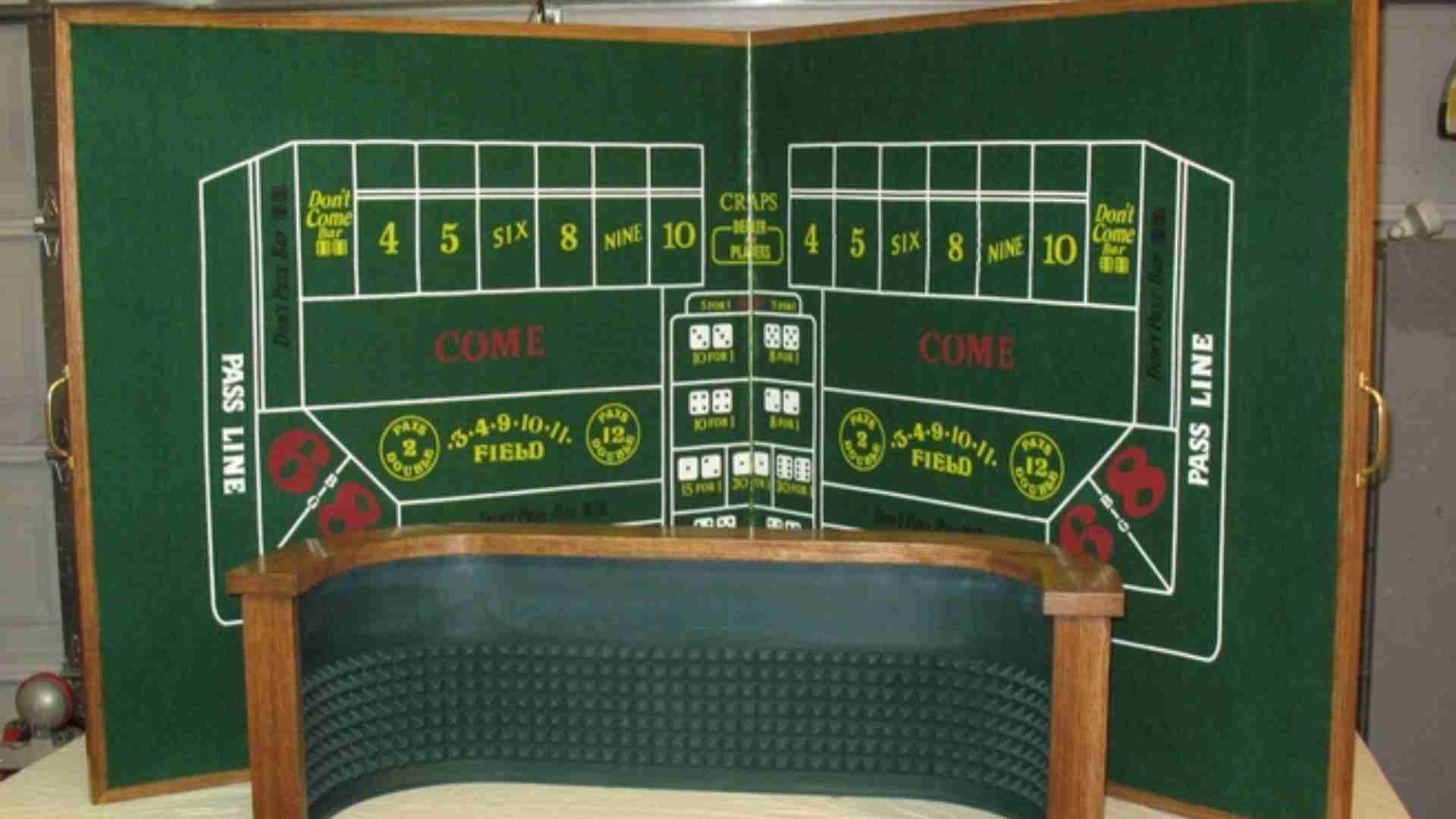
The history of traditional card games offers a captivating look into how human communities developed strategies to navigate unpredictability. Long before digital systems calculated exact probabilities on screen, players gathered around physical tables to test their intuition and risk management skills. These classic environments required a deep reliance on observation and personal accountability, transforming random card distributions into profound social contests.
The Psychology of Shifting Risk and Human Intuition
In early gaming rooms, participants did not face a standardized corporate house with fixed operational guidelines. Instead, traditional setups often relied on rotating responsibilities where individual players took turns managing the central funds. This dynamic structure forced everyone at the table to constantly analyze shifting table dynamics and emotional cues.
Without modern algorithmic shortcuts, veteran enthusiasts developed a keen sense of environmental awareness to protect their capital. They learned that success depended heavily on reading the comfort levels of their opponents during tense moments. This focus on human interaction made early tabletop experiences as much about psychological endurance as it was about numerical luck.
How Spatial Awareness Influenced Strategic Decisions
Physical seating arrangements played a critical role in how traditional players handled unpredictable card sequences. Sitting in an early position forced a participant to commit to a strategy with minimal knowledge about the rest of the room. Conversely, those positioned later in the dealing sequence enjoyed the structural advantage of watching their opponents act first.
Mastering these spatial dynamics allowed individuals to accurately assess changing probabilities before making a definitive choice. Traditional players used this observational timing to mitigate financial vulnerability and outmaneuver aggressive challengers. Over generations, these custom behavioral habits became foundational rules that defined early casino culture across Europe.
The Transition From Manual Operations to Digital Platforms
As classical wagering customs traveled across different regions, the complex mechanics of shared banking began to adapt to a changing world. Early French salons refined these interactive formats to emphasize personal decision-making, allowing participants to choose whether to draw additional cards. These elegant variations successfully balanced strict social etiquette with the exciting tension of immediate card resolutions.
Modern enthusiasts looking to experience the contemporary evolution of these strategic table traditions can easily explore diverse digital options through an online platform like m88. While modern software solutions now automate the complex banking and shuffling calculations instantly, the fundamental challenge remains the same. The digital transformation preserves the timeless competitive spirit that has drawn tactical thinkers to card games for centuries.
Enduring Lessons from Historic Table Traditions
Uncovering the historical methods used to manage uncertain outcomes provides valuable perspective for today's tabletop gaming community. Traditional players proved that thorough preparation, situational discipline, and calm observation are essential when facing independent external factors. Their reliance on social accountability highlights the core purpose of early gaming as a shared community experience.
While modern gaming environments lean heavily toward rapid transaction velocity and automated rules, the legacy of human agency endures. Recognizing the historical shift from player-controlled tables to centralized systems gives enthusiasts a deeper appreciation for every round. Ultimately, the ancient art of navigating risk through personal choice continues to shape how we view entertainment today.

The Connection Between Curiosity And Random Rewards ...
Human behavior is deeply influenced by the thrill of discovering the unknown. Curiosity acts as an internal engine that drives people to seek out information, solve puzzles, and test new experiences. When unpredictable outcomes are introduced into this dynamic, the brain responds with heightened interest and engagement.
The Psychology of Variable Outcomes
Curiosity thrives when there is a distinct gap between what a person knows and what they wish to learn. When a reward is guaranteed and entirely predictable, interest tends to taper off rapidly. Introducing variable rewards keeps the mind actively searching for patterns and outcomes.
Neuroscientific studies suggest that dopamine release reaches its peak during periods of anticipation rather than upon receiving the prize itself. This expectation mechanism keeps individuals focused on the process of discovery. The uncertainty inherent in unpredictable outcomes serves as a powerful motivator across various settings.
How Digital Platforms Capitalize on Suspense
Modern applications frequently leverage random reward systems to encourage ongoing user participation. By pairing interactive mechanics with unpredictable feedback, developers create environments that sustain interest over long periods. Users naturally feel compelled to return to see what the next interaction might reveal.
Entertainment portals, casual gaming apps, and news hubs like boss29 often explore how digital interfaces engage audience curiosity through dynamic content. These systems balance user effort with surprising elements to maintain a sense of novelty. Consequently, the user experience becomes interactive rather than static.
The Fine Line Between Engagement and Fatigue
While unpredictable incentives effectively capture attention, moderation is crucial for maintaining healthy user experiences. Overexposing individuals to constant surprise without meaningful value can eventually lead to cognitive tiredness. When rewards feel entirely arbitrary, genuine curiosity can give way to frustration.
To foster lasting engagement, digital experiences must connect random outcomes to real utility or entertainment. Aligning uncertainty with personal goals helps maintain genuine curiosity over time. A well-designed balance ensures that participation remains enjoyable rather than overwhelming.
Cultivating Sustainable Motivation
Understanding how curiosity interacts with unpredictable rewards offers valuable insights for game designers, marketers, and educators. By designing systems that reward exploration without creating dependency, creators can build deeply satisfying experiences. Leveraging mystery alongside genuine value helps sustain curiosity in a constructive way.
Ultimately, the human tendency to explore the unknown remains one of our most defining cognitive traits. When structured thoughtfully, random reward mechanisms highlight the innate joy of discovery. Balancing predictability with pleasant surprises keeps our daily interactions fresh and engaging.

Is Resident Evil 7 Co Op ...
The release of Resident Evil 7: Biohazard marked a significant turning point for Capcom's legendary survival horror franchise. Moving away from the action-heavy design of its immediate predecessors, this entry introduced a terrifying first-person perspective that redefined atmospheric dread. Many players diving into the eerie Baker plantation wonder if they can share this haunting experience with a friend.
The Definitive Answer on Multiplayer Features
Resident Evil 7 is strictly a single-player game with no official co-op modes available. Capcom intentionally built the experience from the ground up to focus on isolation, vulnerability, and individual survival. Adding a second player would have severely diluted the carefully crafted tension and claustrophobic atmosphere of the farmhouse.
There are no native multiplayer components, meaning you cannot team up online or via local split-screen. The entire narrative follows Ethan Winters on his solitary quest to rescue his missing wife. This design choice ensures that every shadow, creak, and sudden ambush delivers maximum psychological impact directly to the player.
How Solo Design Enhances True Survival Horror
By removing cooperative mechanics, the developers successfully returned the franchise to its classic survival horror roots. True horror often relies heavily on the feeling of being completely outnumbered and helpless against overwhelming threats. Facing the terrifying Baker family alone forces players to carefully manage limited ammunition and resources without backup.
When a second protagonist is present, combat encounters naturally become more balanced and less frightening. Previous entries like Resident Evil 5 and 6 leaned heavily into action-adventure loops due to their cooperative structures. The solo focus of this seventh installment ensures that players must rely entirely on their own wits to solve puzzles and survive nightmares.
Alternative Ways to Share the Baker Family Nightmare
Even though you cannot play simultaneously, gaming enthusiasts have found creative ways to experience the journey together. Pass-and-play sessions remain incredibly popular, where friends swap the controller after every virtual death or completed chapter. This traditional approach turns the solitary campaign into an engaging group activity filled with shared scares and strategic discussions.
Streaming the game for friends via modern console share features provides another excellent alternative for social gaming. Having a companion watch your gameplay allows them to spot hidden items or notice environmental clues you might overlook during intense moments. While it is not a traditional cooperative mechanic, it builds a shared narrative experience that lessens the intense psychological burden of playing alone.
Unofficial Community Modifications and Future Projects
The passionate PC gaming community frequently attempts to bridge the gap left by official development choices. Some independent programmers have experimented with custom software modifications to implement rudimentary multiplayer functionality into the game engine. However, these unofficial projects are often unstable, prone to breaking game scripts, and highly complex to install safely.
If you are looking for official cooperative experiences, other entries in the franchise cater directly to that playstyle. Titles like the Revelations series or specific mainline sequels offer robust, fully integrated multiplayer campaigns designed for team synergy. For this particular entry, embracing the solitary journey remains the absolute best way to experience Capcom's horror masterpiece.

The Psychology Of Choosing The Right Moment To Apply Pressure ...
Knowing precisely when to increase intensity is one of the most sophisticated mental skills in strategic competition. Whether sitting at a high-stakes card table or navigating complex negotiations, applying force at the wrong time often backfires. Mastering this dynamic requires a deep understanding of psychological timing, opponent vulnerability, and situational awareness.
Recognizing Subtle Vulnerabilities
Every competitor experiences moments of hesitation or emotional fatigue during a session. Strategic thinkers monitor these subtle indicators, looking for shifts in reaction time or cautious decision-making patterns. Spotting these brief lapses allows disciplined players to seize control before their opponent recovers composure.
Vulnerability often manifests when an individual is forced outside their preferred comfort zone. When facing unfamiliar scenarios, people tend to make conservative or predictable moves. By recognizing these behavioral patterns, an observant player can dictate the pace of engagement and force critical mistakes.
The Balance Between Force and Patience
Relentless aggression is rarely effective over long periods because it becomes predictable and invites sharp counter-strategies. True mastery lies in maintaining an adaptable posture, waiting calmly until the odds heavily favor a decisive move. This calculated restraint ensures that every surge in intensity carries maximum psychological impact.
Patience also prevents unnecessary exposure to high-risk situations when information is incomplete. Strategic players systematically evaluate risk versus reward before committing significant resources to a push. Maintaining emotional control while waiting for optimal conditions separates average performers from top-tier competitors.
Leveraging Position and Information
Having positional advantage provides crucial insights into how other participants intend to act. Observing how opponents respond to subtle shifts allows an analytical player to formulate a precise counter-strategy. Many enthusiasts study these behavioral dynamics on digital platforms via m88.com login to sharpen their real-time reading skills. Securing an information edge ensures that any strategic escalation is backed by solid tactical reasoning.
Information control also involves managing what you project to the rest of the table. By varying your own timing and action sizing, you keep opponents guessing about your actual strength. This ambiguity causes rivals to hesitate, creating prime opportunities to apply targeted pressure effectively.
Managing Emotional Momentum
Applying tactical pressure triggers an immediate psychological reaction in opponents, often inducing stress or doubt. When individuals feel trapped, their analytical reasoning degrades, leading to emotional rather than logical choices. Capitalizing on this momentum allows a sharp strategist to turn minor advantages into decisive victories.
However, it is equally vital to monitor your own emotional state while attempting to influence others. Overconfidence can blind a player to potential traps set by a deceptive rival. Sustained success depends on remaining detached, objective, and entirely focused on long-term strategy.

Skyrim Special Edition Versus Anniversary Edition ...
Deciding between the two modern definitive versions of Bethesda's legendary open-world RPG can be a puzzling task for both returning players and newcomers exploring Tamriel for the first time. While both options offer substantial upgrades over the original 2011 release, they cater to fundamentally different types of players. Understanding the core structural differences between these packages ensures you invest your gaming time and budget wisely.
The Core Technical Foundation
Skyrim Special Edition serves as the vital baseline engine upgrade that completely modernized the game's stability on modern hardware. It introduced a 64-bit engine configuration, enhanced visual effects, volumetric lighting, and native mod support for modern consoles. This robust technical foundation is completely identical across both versions, meaning that performance metrics and basic gameplay stability remain baseline consistent.
For players who want a clean slate or prefer building a completely customized virtual world, the Special Edition remains the preferred starting point. It offers the standard base game along with its three official downloadable content expansions: Dawnguard, Hearthfire, and Dragonborn. Choosing this path gives you full access to thousands of community modifications without any pre-installed third-party variables cluttering your initial load order.
The Creation Club Integration
The defining element of the Anniversary Edition upgrade is the massive injection of curated community content seamlessly woven into the historical sandbox. This bundle automatically includes hundreds of unique assets sourced directly from the official developer creation program. Players gain immediate access to complex questlines, rare equipment arrays, unique player housing units, and entirely new gameplay mechanics like fishing.
This premium expansion functions essentially as an official mega-mod pack curated directly by the developers themselves. It offers a structured way to experience high-quality community creations without manually configuring complex installation files or worrying about file conflicts. Players who enjoy a heavily populated world full of fresh historical artifacts and survival mechanics will find incredible immediate value here.
Modding Compatibility and Long Term Value
When analyzing the community ecosystem, both versions have reached a stable point of balance regarding external asset compatibility. Most modern script extensions and complex gameplay overhauls have been carefully updated to recognize the mechanical differences between the version structures. However, purists who prefer maximum control over their load orders often lean toward a lighter initial file footprint.
Budget factors also play a critical role in determining which package fits your current interactive entertainment needs. The standalone Special Edition is frequently available through popular subscription services or deep digital store discounts. Upgrading your experience later via a separate digital purchase is always an option if you decide you want more content down the road.
Making Your Final Decision
Ultimately, your final choice depends heavily on how you intend to approach your upcoming northern adventures. If your main goal is to experience a highly stable vanilla campaign or build a personalized mod setup from scratch, the Special Edition is your best bet. It provides all essential narrative components while keeping your system files lean and highly flexible.
On the other hand, the Anniversary Edition provides unmatched convenience for those looking to maximize their immediate gameplay variety. The inclusion of extensive survival mechanics and nostalgic equipment pieces completely alters the early-game progression loop. It stands as an exceptional comprehensive package for veterans wanting a drastically different exploration experience without the hassle of manual configuration.

Understanding The Most Important Bridge Game Concepts ...
Developing a structured schedule is essential for card players who want to sharpen their tactical skills and improve tournament results. A balanced regimen combines bidding practice, card counting exercises, and thorough post-match hand analysis. By dedicating specific time slots to different aspects of the game, players can make steady progress without feeling overwhelmed by complex theories.
Setting Clear Objectives and Isolating Core Skills
Building an effective routine begins with identifying specific areas that need improvement, such as defensive signaling or declarer play. Isolating individual techniques during short practice sessions allows the mind to absorb concepts more effectively. Focusing on one skill at a time prevents cognitive fatigue and ensures long-term skill retention.
Rather than playing unstructured matches continuously, dedicated players break their practice into targeted modules. Spending twenty minutes on suit distribution analysis or reviewing bidding systems yields better results than hours of passive play. Consistency remains the most critical factor when establishing these fundamental training habits.
Incorporating Daily Counting and Visualization Exercises
Mental stamina and accurate memory are the backbones of successful trick-taking strategies. Practicing distribution counting every day helps players track played cards and infer hidden hands with greater accuracy. Over time, calculating high-card points and remaining suits becomes an automatic mental process during live competition.
Visualization exercises can be performed using sample hand diagrams or online bridge software. Players exploring modern digital platforms or seeking alternative card games often visit a m88 link alternatif to test their strategic decision-making in interactive environments. Engaging with diverse puzzle scenarios sharpens memory and improves focus under time constraints.
Analyzing Past Hands and Learning From Errors
Post-game review is widely considered the single most impactful habit for advancing from beginner to intermediate levels. Keeping detailed records of contracts, leads, and outcomes enables players to spot recurring tactical mistakes. Reviewing boards with a regular partner fosters open communication and aligns bidding expectations.
Instead of focusing solely on final scores, players should evaluate the logical quality of every decision made at the table. Studying hands where unexpected outcomes occurred reveals subtle defensive signals or missed finesse opportunities. Embracing mistakes as learning opportunities accelerates strategic growth far more than winning easy casual games.
Balancing Solitary Study With Partnership Practice
While solo study builds individual technical competence, bridge remains fundamentally a cooperative team endeavor. Scheduling regular practice sessions with a consistent partner develops mutual trust and smoother table communication. Working together ensures that both players understand defensive agreements and specialized bidding conventions.
A complete training schedule balances independent reading with active partnership play against challenging opponents. Competing against stronger players exposes weaknesses in your system and introduces advanced tactical maneuvers. Maintaining this balanced approach ensures well-rounded growth and long-term enjoyment of the game.

The Evolution Of Football Set Piece Strategies ...
For many decades, football set pieces were viewed as simple restarts where players relied primarily on physical dominance and raw power to score. However, modern tactics have transformed these dead-ball situations into a highly sophisticated, analytical science capable of deciding major championships. Teams now spend countless hours perfecting routines that manipulate defensive lines and create space out of thin air.
The Rise of Specialist Coaches
In the contemporary era, elite football clubs no longer leave dead-ball situations to general management alone. The introduction of dedicated set-piece coaches has revolutionized how teams approach corners, free kicks, and even throw-ins. These specialists analyze historical data and opponent vulnerabilities to design highly tailored routines for every matchday.
This analytical shift has turned seemingly routine moments into complex tactical chess matches on the pitch. Fans who want to know where to watch football matches often focus on open-play fluid movements, but analysts understand that dead-ball efficiency is what separates champions from regular competitors. Blockers, runners, and decoy movements are now meticulously coordinated to exploit the narrowest gaps in an opponent's defense.
From Zonal to Mixed Marking Systems
As attacking routines grew more creative, defensive structures had to evolve rapidly to prevent conceding cheap goals. The historic debate between pure zonal marking and strict man-marking has mostly settled into highly organized hybrid systems. Modern managers mix both approaches by assigning specific players to guard key zones while others closely track the opponent's most dangerous aerial threats.
Defensive organization now requires intense concentration and seamless communication to counteract the chaotic movement of attacking lines. A single misstep or a breakdown in tracking can instantly allow an attacker a free shot on target. Consequently, training ground drills focus heavily on maintaining structural discipline under intense pressure from crowded boxes.
The Data Revolution in Dead Ball Execution
Advanced statistical models and video tracking technology have provided teams with unprecedented insights into set-piece efficiency. Coaches now evaluate specific variables such as the optimal delivery angle, ball trajectory, and the exact second a runner should break away from their marker. This granular level of planning reduces the element of luck and maximizes the probability of creating a high-quality scoring opportunity.
Furthermore, data analytics has highlighted the immense value of short corners and quick free kicks in destabilizing a defensive shape. By shifting the angle of attack before delivering the ball into the penalty area, teams can force defenders to adjust their body positioning dynamically. This constant spatial manipulation often creates defensive panic, leading to individual errors and unexpected scoring windows.
The Future of Strategic Restarts
As football continues to evolve, the boundaries of set-piece creativity will likely expand even further into mainstream tactics. Teams are beginning to treat throw-ins in the final third with the same level of tactical detail as traditional corner kicks. The margins of victory at the highest level are incredibly slim, making these structured routines more critical than ever before.
Ultimately, the transformation of dead-ball situations proves that football is a game of constant intellectual innovation. The squads that find fresh ways to innovate during these brief pauses will continue to enjoy a massive competitive advantage. What was once an afterthought has firmly established itself as a foundational pillar of modern tactical planning.

Resident Evil 2 Second Floor Locker Code ...
Navigating the eerie hallways of the Raccoon City Police Department in Resident Evil 2 requires careful exploration and keen attention to detail. Among the various locked containers scattered throughout the facility, the second-floor shower room locker holds valuable supplies that aid survival. Unlocking this specific locker gives players an immediate advantage against the relentless threats lurking inside the station.
Unlocking the Second Floor Locker Combination
The code required to open the dial lock on the second-floor shower room locker is CAP. Players can discover this combination written on a whiteboard located in a small room connected to the Operations Room on the first floor. Inputting these three letters into the combination lock immediately releases the mechanism and opens the door.
Inside the shower room locker, players will find useful ammunition tailored to their active character campaign. Securing these additional rounds helps conserve precious resources during tense encounters with roaming zombies. Taking a quick detour to input this combination is well worth the minimal effort required.
Where to Find the Code Hint in RPD
To naturally discover the combination in-game, players must first acquire the bolt cutters to access the eastern side room near the Operations Room. Upon cutting the chain and entering, you will notice a whiteboard with the letters CAP clearly displayed. This environmental clue rewards thorough investigation and rewards observant players with helpful gear.
If you prefer to bypass tracking down the memo, you can simply enter the three-letter code directly into the lock upon reaching the second floor. Knowing the combination ahead of time allows for faster progression through the initial police station area. Efficient resource gathering is key to staying alive in survival horror environments.
Rewards and Gameplay Advantages
Opening the second-floor locker awards shotgun shells for Leon or grenade launcher rounds for Claire. These powerful weapon supplies provide significant firepower during critical moments in the early game. Having extra high-grade ammunition gives players the confidence needed to clear dangerous corridors safely.
In addition to ammunition, clearing out locked storage units brings players closer to full map completion. Unlocking every safe and dial lock in the Raccoon Police Department ensures no vital items are left behind. Mastering these small puzzles helps optimize route planning for future speedruns or higher difficulty playthroughs.
Tips for Efficient Inventory Management
Managing your limited inventory space efficiently is essential when exploring the vast police precinct. Since locker combinations do not require key items to open, unlocking them immediately frees up space and provides instant utility. Combining ammunition packs right away keeps your storage pouch organized for key progression items.
Always keep a mental note or physical record of locked containers as you explore new rooms. Returning to unlocked areas after finding combinations ensures your survivor remains fully equipped for upcoming boss encounters. Taking full advantage of every resource lock greatly improves your overall chances of survival.
How Players Can Improve Their Awareness of Board Changes ...
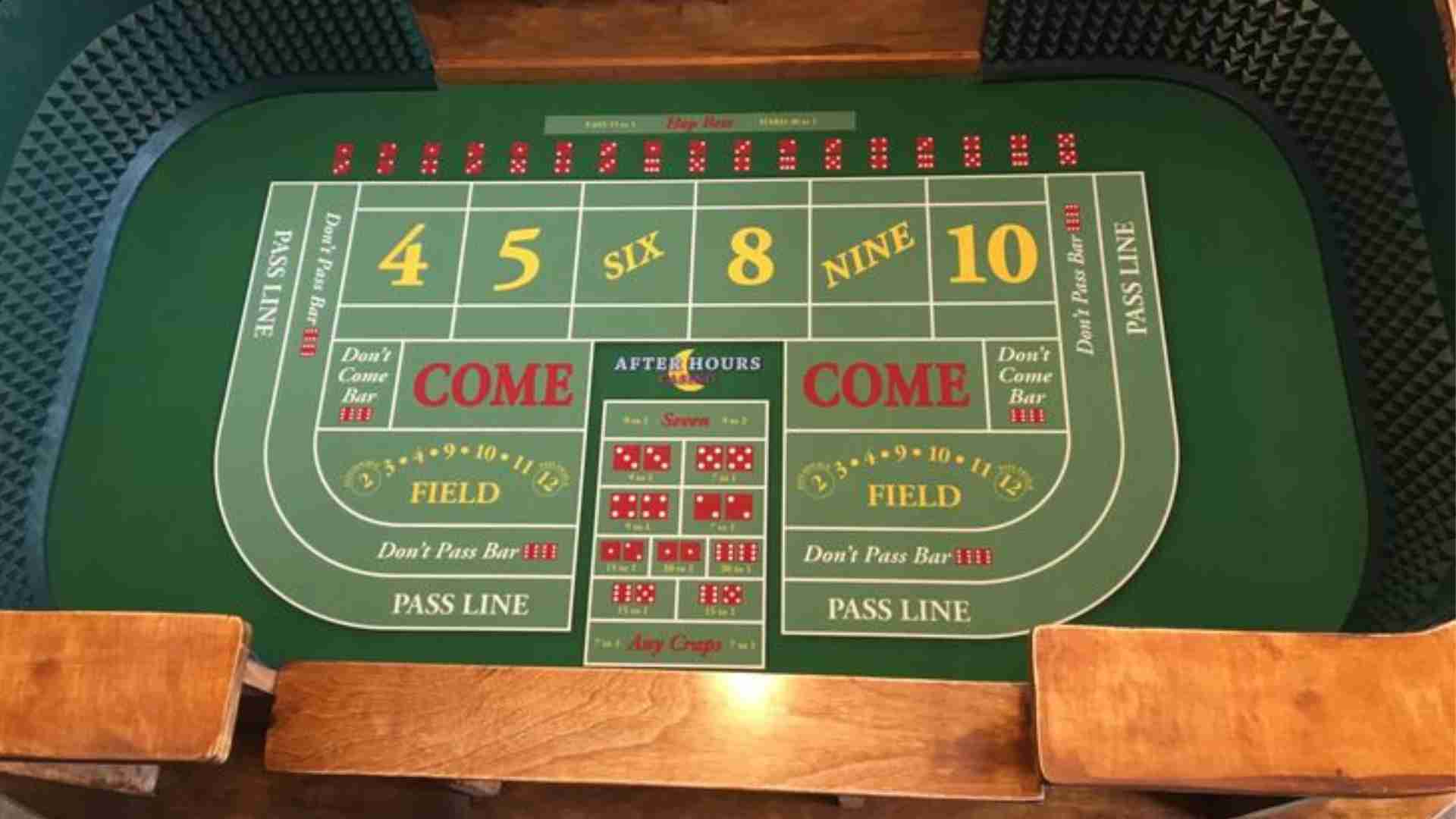
Developing strong board awareness is a fundamental skill for players aiming to enhance their strategic performance in tactical games. Understanding how every movement alters the overall state of the board allows individuals to make better decisions under pressure. By cultivating visual discipline and analytical habits, players can quickly adapt to shifting game environments.
Developing Systematic Scanning Techniques
One of the most effective ways to track board changes is to establish a consistent visual scanning routine. Instead of focusing only on immediate threats, players should regularly observe the entire layout from top to bottom. This systematic approach ensures that subtle shifts in card placement or piece positioning are noticed right away.
Practicing structured scanning helps turn passive observation into an active cognitive habit during critical match moments. Over time, players become faster at identifying newly exposed opportunities and potential vulnerabilities across the playing field. Regular scanning prevents unexpected surprises that often result from narrow focus.
Recognizing Subtle Patterns and Visual Cues
Board changes rarely happen without preliminary signals or structural shifts that indicate a player's intention. Learning to recognize these subtle cues enables individuals to anticipate movements before they fully materialize. Experienced strategists pay close attention to minor adjustments in formation and resource allocation.
By connecting current board states with historical outcomes, players can predict how specific layouts are likely to evolve. Enthusiasts who analyze gaming environments on platforms like m88 often observe how subtle strategic shifts influence overall match dynamics. Building pattern recognition capabilities allows for proactive decision-making rather than simple reactive play.
Maintaining Mental Flexibility During Shifts
Adaptability is crucial when board states change rapidly due to unexpected moves or forced tactical trades. Fixed strategies often fail when the layout undergoes sudden transformations that alter key control zones. Maintaining a flexible mindset allows players to reassess their plans without losing tactical focus.
When a significant change occurs, taking a brief pause to re-evaluate available resources can save a match. Players who remain open to modifying their strategy generally navigate complex board states much more effectively. Flexibility turns sudden layout disruptions into actionable advantages.
Reviewing Gameplay to Refine Observation Skills
Self-reflection after completed matches is an invaluable tool for sharpening long-term board awareness. Reviewing past games helps identify moments where critical layout shifts were overlooked or miscalculated. Analyzing these mistakes provides valuable insights into personal blind spots during live play.
Consistent post-game analysis reinforces effective observation habits and improves future tactical foresight. Over time, players who regularly evaluate their performance develop a far keener sense of spatial control. Dedicated practice combined with thoughtful review remains the definitive path toward mastering board awareness.
Semua artikel sudah ditampilkan.